
Student life
A community you help build.
Abule isn’t simply a collection of online classes. Students organize, create, publish, propose programs and shape the experience of the students who come after them.
Meet a student
01
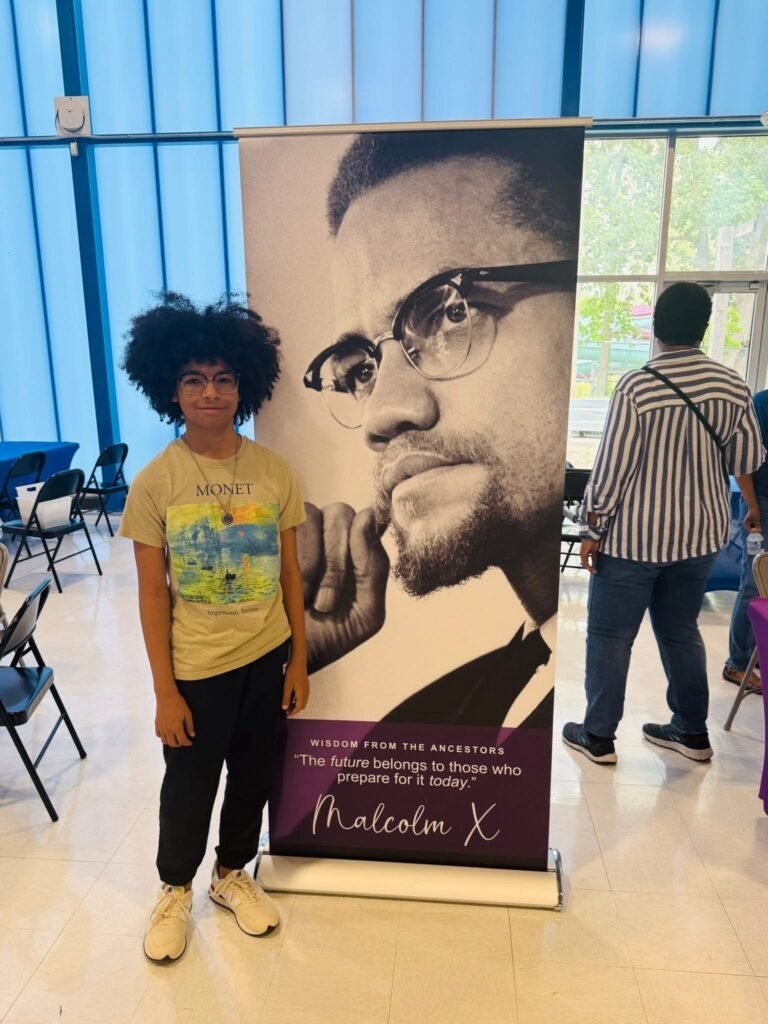
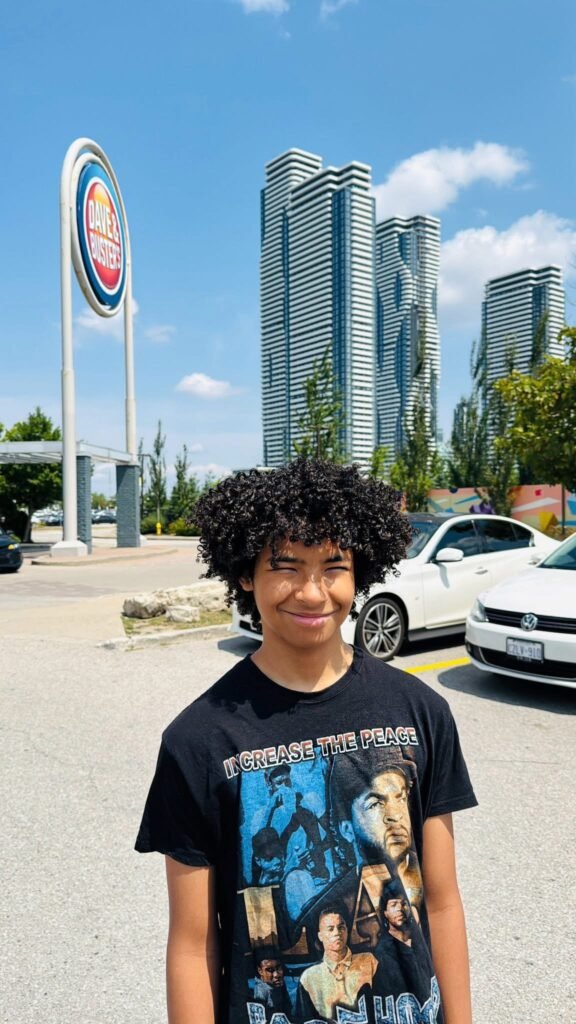
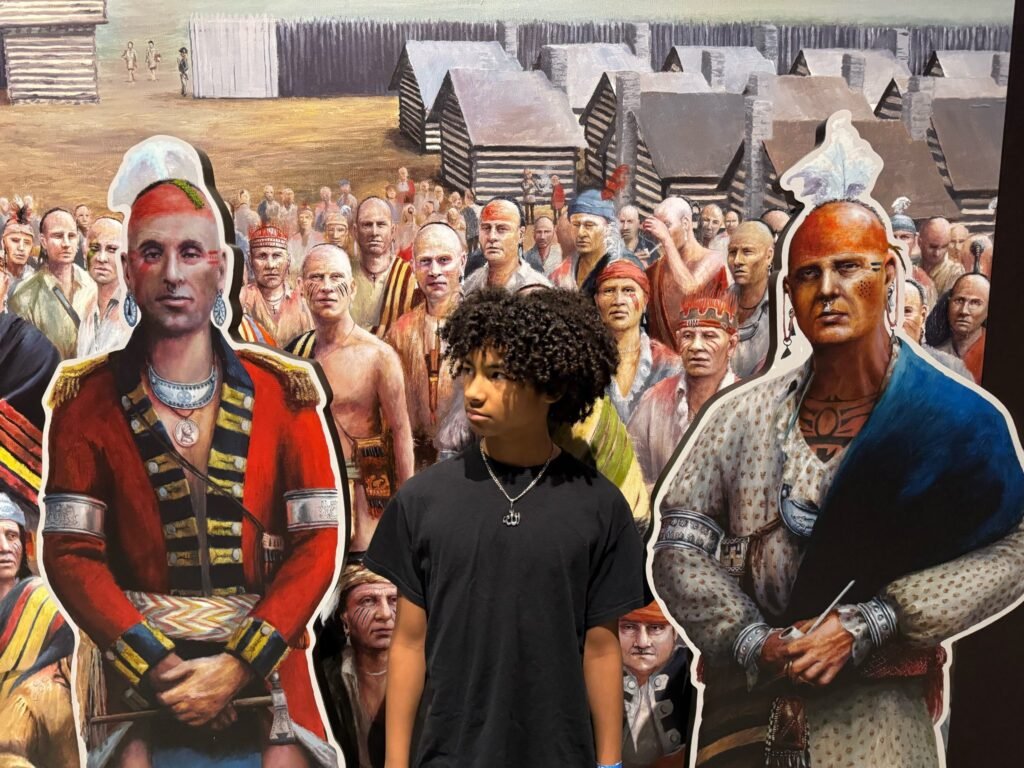
Student Ambassador
Meet Zak.
Zak is heading into his Second Year at Abule. As a Student Ambassador, he shares what life here is like with new and prospective families.
In his own words: Zak on making content and growing at Abule.
Read the transcript
I like making content. Abule gave me space to do that. And real chances to grow it. It’s not just school. It’s support for what you love. They helped me stay focused, but also stay creative. And yeah. They say Abule is a movement for young leaders. I believe that, because I’m part of it.
Our student community
02
Abule’s student community is a private online space where enrolled students share ideas, organize projects and get to know each other across time zones. It’s where Student Council, Student Ambassadors, clubs, service projects and events happen.
It’s part of school, not social media. It isn’t public, only enrolled students, educators and staff can join, and adults moderate every space.
Inside a course
03
Africana Studies.
Every clip and assignment below comes from our Africana Studies course. Live sessions take different forms: lectures, workshops, labs and class discussions. Student faces are blurred for privacy.
Live session · Lecture
Reconstruction, and the questions it raises.
During a lecture on Reconstruction, a student asked whether sharecropping-style labor is still legal today. Students bring their own questions, and we take the time to connect history to the world they live in now.
Live session · Workshop
An Underground Railroad escape room.
Workshops turn lectures into hands-on challenges. In this escape room, students call out answers to questions about Harriet Tubman and Frederick Douglass. Each correct answer adds a letter to a secret code word, and the code word unlocks the next safe house on the route: the Corbit-Sharp House in Odessa, Delaware, where the lesson continues with its history.
Student work · Zak’s newspaper project
The Black Panther Party Newspaper.
Students designed a contemporary issue of The Black Panther Party newspaper, inspired by its original mission to inform and empower the Black community. After studying original issues, each student built a newspaper of four or more pages with a front-page story on a current social justice issue, feature articles, a “This Week in Black History” section, advertisements in the spirit of the original, an update on the Free Food Program and a closing editorial on the Party’s legacy.
There was math in it too: students found the price of the last original issue and calculated what it would cost in today’s dollars. Zak’s front page leads with modern food justice movements.
Student work · HBCU admissions brochure
Zak’s brochure for Paul Quinn College.
Students research Historically Black Colleges and Universities, choose one, and design a five-page digital admissions brochure covering its history, programs, admissions, campus life and notable alumni.
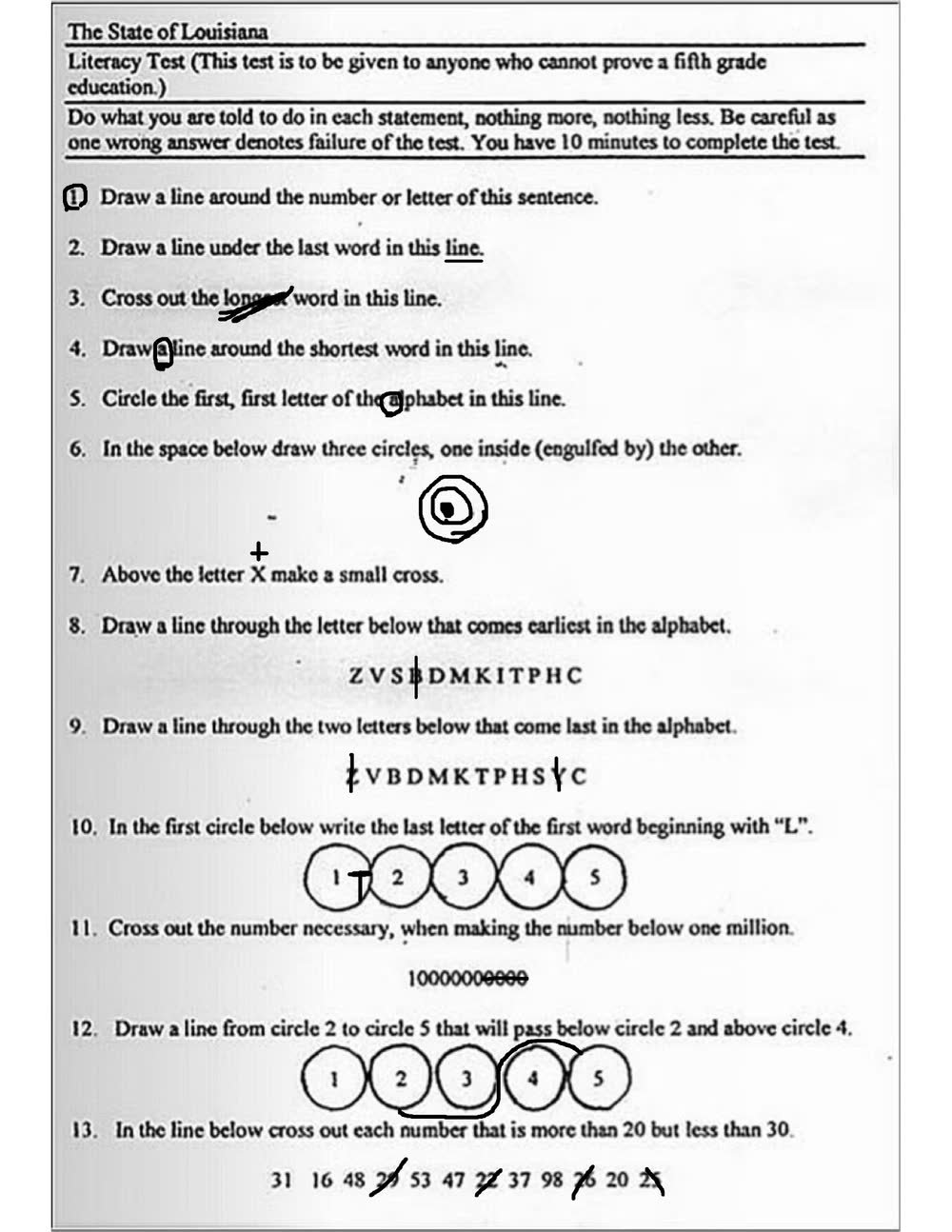
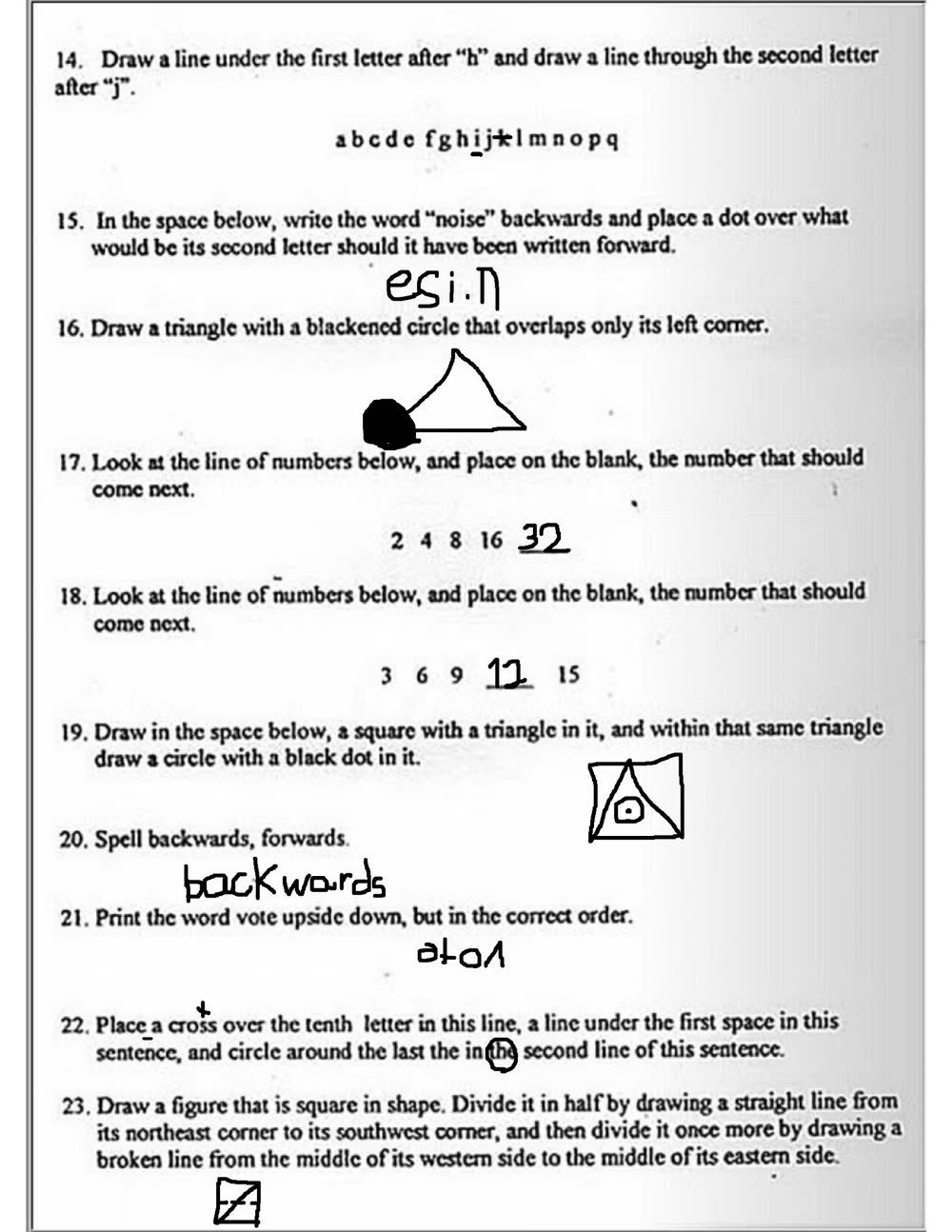
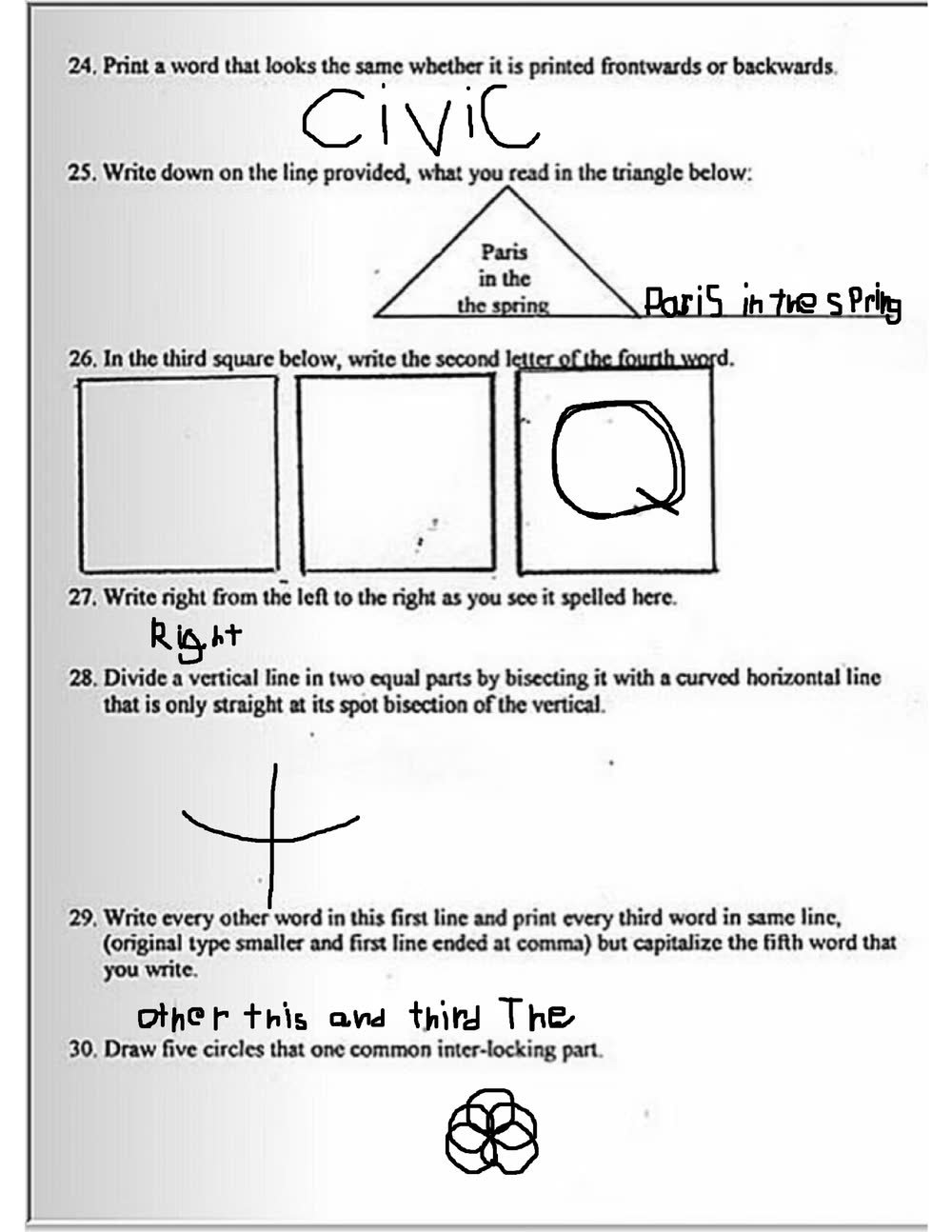
Student work · Louisiana Voter Literacy Test, circa 1964
Could you have passed?
Students take a real literacy test that Louisiana used around 1964 to keep Black citizens from registering to vote, before the Voting Rights Act of 1965 ended the use of such tests there: 30 confusing questions, 10 minutes, and one wrong answer meant failure. Here is one student’s attempt. Tap a page to see it full size.
A week at Abule
04
Live sessions run Monday through Thursday between – ET. There are no live sessions on Fridays. English, math and science courses meet twice a week; social studies courses and electives meet once a week.
How much work is it? A full load is about six courses. Most students have roughly 8 to 11 live sessions a week, about 7 to 9 hours live. Each 1.0-credit course is about 120 hours of work over the year, so a full load comes to about 20 hours a week in total, Monday to Friday. Between live sessions, students watch short lessons, read, practice, write and work on projects on their own schedule, within weekly deadlines. Parents don’t need to teach: they help their student keep a steady routine, check in on weekly deadlines and sign the physical education log.
Live sessions are recorded for students who can’t attend live.
Example student · First Year
A week at Abule
6 courses
- English I (ENG 100)
- Algebra I (MATH 100)
- Earth Science with Lab (SCI 100)
- World History (SOC 200)
- French I (WL 110) · elective
- Physical Education (PE 100) · self-paced
| Time | Mon | Tue | Wed | Thu |
|---|---|---|---|---|
| – | Live · LectureEnglish I (ENG 100) | Own time | Live · Class discussionEnglish I (ENG 100) | Own time |
| – | Live · LectureAlgebra I (MATH 100) | Own time | Live · WorkshopAlgebra I (MATH 100) | Own time |
| – | Own time | Live · LectureEarth Science (SCI 100) | Own time | Own time |
| – | Own time | Own time | Own time | Own time |
| – | Own time | Own time | Own time | Live · LabEarth Science (SCI 100) |
| – | Live · Lecture or class discussionWorld History (SOC 200) | Live · Workshop or class discussionFrench I (WL 110) | Own time | Own time |
Live session Student’s own time No live sessions on Fridays
This is one example: a typical First Year student on the Accredited Diploma path. Times are set in Eastern Time; use the menu above to see them in your own time zone. World History alternates a lecture one week with a class discussion the next, and French I alternates a workshop with a class discussion. Physical Education is self-paced and logged, so it has no live session. Between live sessions, students work through self-paced lessons on their own schedule. A student’s actual week depends on their courses and placement. See all courses and the curriculum.
Time outside live sessions belongs to the student. Some use it for independent study; others sleep in, work on hobbies, attend events or take part in extracurricular activities. What matters is that assignments are completed and students arrive at live sessions ready to take part.
Where students lead
05
01
Student Council
Students propose programs, organize events and speak for their peers.
02
Student Ambassadors
Students who share what life at Abule is like with new and prospective families.
03
Student-led clubs
Clubs started and run by students, around whatever they care about.
Collaborative initiatives and community events bring students together across time zones. Student activities operate with adult guidance and oversight, while giving young people meaningful opportunities to lead.
Finding your own way forward
06
Students receive academic guidance, college and career counseling, and opportunities to engage with mentors and professionals from different backgrounds.
- Universities
- Skilled trades
- Entrepreneurship
- Creative professions
- Community organizing
- Public service
- Paths not yet considered
Service and projects
07
20
Hours of service a year
With organizations and causes that reflect each student’s interests.
1
Independent Learning Project
Research, art, innovation or service: each student chooses.
Abule
Think for yourself.
Think of others.
Belong as you are.
We don’t believe students should have to wait until adulthood to have something meaningful to contribute. Questions first? Email info@abule.education, call +1 (202) 330-8919, or book a call.
 Google